
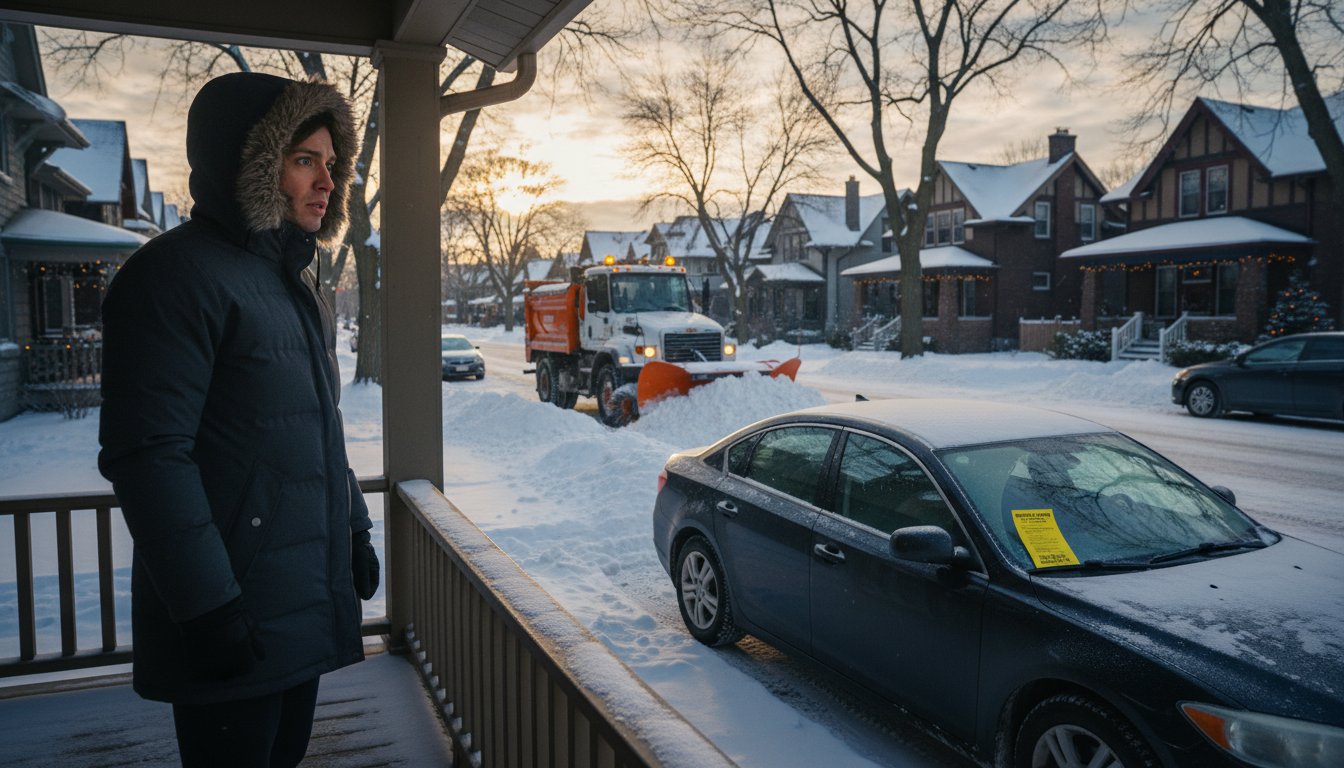
The City of Winnipeg issues approximately 5,000 tickets every time a major snow-clearing operation begins. Waking up to a C$200 fine or finding your car towed to a different street is a stressful way to start a winter morning. If you're tired of the confusion surrounding "Know Your Zone" schedules, you're not alone. Successfully avoiding snow clearing fines Winnipeg residents face requires more than just a shovel. It takes a clear strategy to master the city's complex parking maps and property line rules.
We know that keeping track of residential bans and the new 2026 safety regulations feels like a full-time job. This guide provides the exact calendar and checklist you need to navigate winter parking bans and property bylaws to stay ticket-free all season. You'll learn the difference between annual and residential bans, the specific hours you can legally use a snow blower, and how the new Bill 38 affects your daily commute. We're here to provide the clarity you need to keep your property compliant and your morning coffee peaceful.
Key Takeaways
- Learn how to navigate the "Know Your Zone" system and winter route schedules to succeed at avoiding snow clearing fines Winnipeg homeowners often face.
- Understand your responsibility for clearing snow and ice from adjacent sidewalks to ensure your property remains compliant with the 48-hour clearing window.
- Save money by identifying the difference between residential parking bans and annual winter routes, where fines can reach C$200 for a single violation.
- Stay updated on the 2026 Bill 38 legislation regarding safe following distances for city snow plows to avoid additional traffic penalties.
- Discover how a professional snow removal contract provides a reliable, hassle-free way to meet city deadlines and maintain property safety all winter.
Understanding Winnipeg’s Snow Clearing Bylaws and Fine Structures
Winnipeg winters are legendary, but the tickets shouldn't be. Successfully avoiding snow clearing fines Winnipeg homeowners encounter starts with understanding that the city views snow removal as a safety priority, not just a convenience. The bylaws focus on two primary areas: keeping streets clear for plows and emergency vehicles, and ensuring sidewalks remain safe for pedestrians. When a major storm hits, the city moves fast. If your car or your property's sidewalk blocks that progress, the financial penalties are immediate. These regulations follow general snow removal practices used globally to maintain urban infrastructure during extreme weather. Without these strict protocols, ambulances and fire trucks could lose precious minutes navigating narrow, snow-clogged streets.
The fine structure for 2026 reflects the city's commitment to compliance. If you're caught on the wrong side of a plow, the costs add up quickly. However, the city does offer an "Early Bird" discount. Paying your ticket within 15 days can reduce the financial sting significantly, often by 25% of the total value. It's a small consolation for a frustrating morning, but it's better than paying the full amount.
The Cost of Non-Compliance in 2026
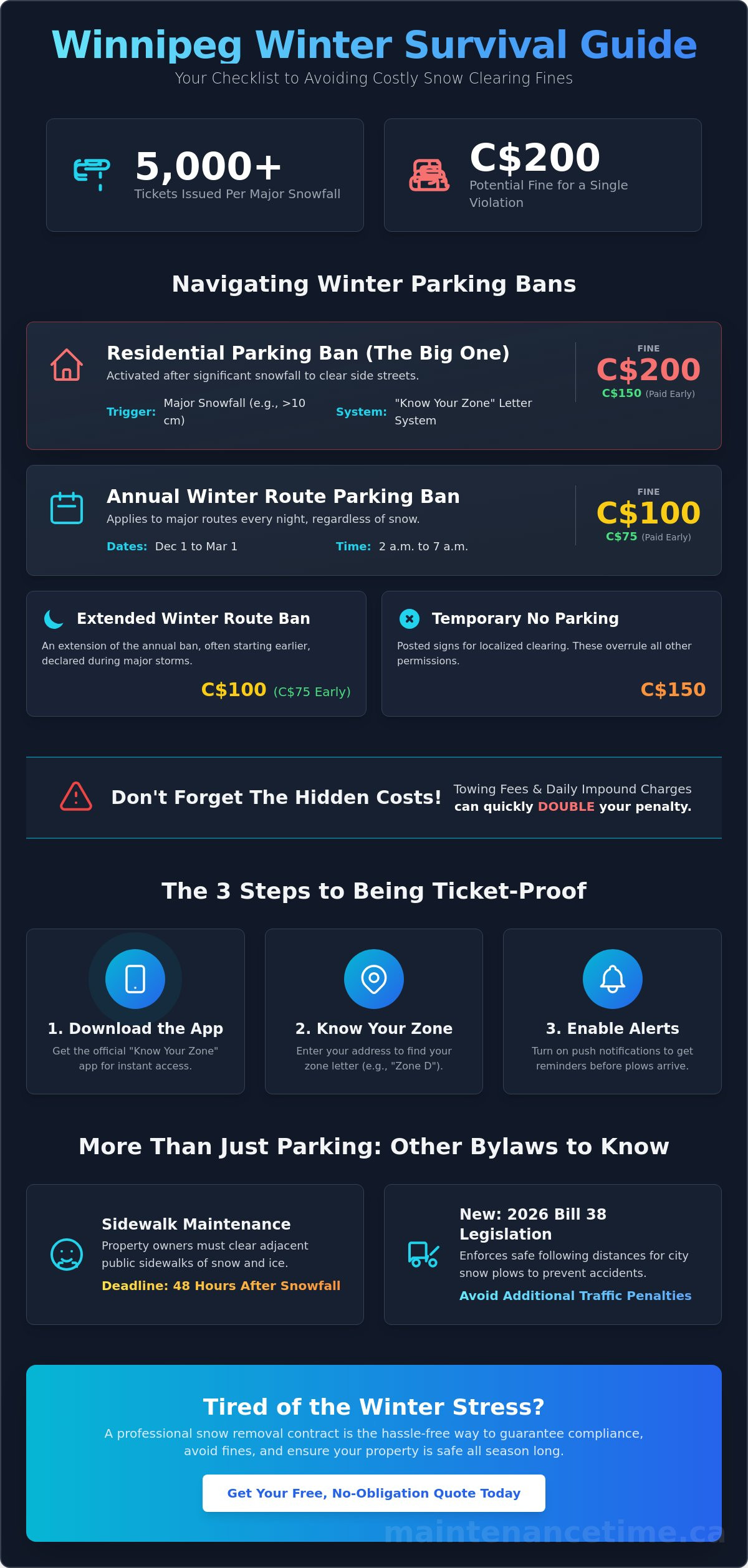
The ticket on your windshield is often just the beginning of your expenses. For 2026, the fine for a Residential Parking Ban violation is C$200, which drops to C$150 if paid early. Violating an Annual Winter Route or Extended Winter Route ban carries a C$100 fine, or C$75 with the discount. If you ignore a Temporary No Parking sign, expect a C$150 penalty. The hidden cost is the tow; if your vehicle is moved to a city impound lot, you'll face additional towing fees and daily storage charges that can easily double the original penalty. The city directs this fine revenue back into the snow clearing budget to help offset the massive operational costs of running hundreds of pieces of heavy equipment simultaneously.
Why Ignorance Isn't a Defense
The city expects every resident to be proactive about staying informed. Whether you check the "Know Your Zone" app, visit the official website, or call 311, the responsibility to know the schedule lies with you. You'll often see "Temporary No Parking" signs placed on specific streets for localized clearing or snow hauling; these must be followed even if no general city-wide ban is in effect. A Snow Emergency is a formal declaration by the Mayor during extreme weather that triggers an immediate parking ban on all designated winter routes to prioritize emergency vehicle access and non-stop plowing operations. Missing these updates can lead to a tow even if you've parked in the same spot for years without issue.
Navigating Winter Parking Bans: Know Your Zone to Avoid Tows
Winnipeg uses a layered approach to parking bans that can confuse even long-term residents. It isn't just one rule for the whole city. Understanding these layers is the secret to avoiding snow clearing fines Winnipeg drivers often find on their windshields after a storm. The system relies on Winnipeg's official snow clearing policy, which prioritizes high-traffic areas and bus routes to keep the city moving. If you park on a street scheduled for clearing, you're not just risking a ticket; you're blocking the path for emergency vehicles and transit.
The Annual Winter Route Parking Ban is your first date to remember. It runs from December 1 to March 1 every year. During this window, you cannot park on designated winter routes between 2 a.m. and 7 a.m. It doesn't matter if there isn't a cloud in the sky. If the city forecasts a major storm, they may upgrade this to an Extended Winter Route Parking Ban, which often starts earlier in the evening. Residential Parking Bans are the third layer. These are called after significant snowfall, usually over 10 cm, and utilize a zone-based system to clear every side street in the city over a 72-hour period.
Mastering the Know Your Zone App
The easiest way to stay compliant is to download the "Know Your Zone" app immediately. Once installed, you can enter your home address, work address, or any frequent destination to identify its specific zone letter. The app is a lifesaver because it allows you to set up push notifications. You'll receive a direct alert on your phone before the plows are scheduled to arrive in your zone. If you prefer not to use an app, the City of Winnipeg website offers an address lookup tool that provides the same real-time schedule. Checking this every night during a storm is the only way to ensure your car isn't moved to an impound lot.
The Difference Between 'Winter Routes' and 'Residential Streets'
You can identify a Winter Route by looking for street signs featuring a blue snowflake. These are the city's main arteries, bus routes, and collector streets. They're plowed first and have the strictest parking rules. Residential streets, on the other hand, only have bans during declared snow events. These bans occur in 12-hour shifts. If you don't have a driveway or garage, you'll need to find a spot on a street in a different zone that isn't currently being plowed. Many residents coordinate with neighbors to share driveway space or use nearby commercial lots that allow overnight parking during emergencies. If you want to stop worrying about the snow on your property entirely, professional snow removal services provide the reliability you need to stay compliant without the stress.
Sidewalk Maintenance Rules: Avoiding Fines for Unsafe Walkways
While most homeowners worry about where to park their cars, the sidewalk adjacent to your property is just as critical for compliance. The Neighbourhood Liveability Bylaw and the Property Standards Bylaw mandate that walkways remain safe for everyone. In Winnipeg, the clock starts ticking the moment the flakes stop falling. You have exactly 48 hours after a snowfall ends to clear the public sidewalk bordering your property. This rule is essential for avoiding snow clearing fines Winnipeg inspectors issue when they receive a complaint from a neighbour or a 311 report.
Commercial property owners face even stricter pressure. They must often clear their frontages within a shorter timeframe to ensure high-traffic pedestrian safety. One of the quickest ways to receive a fine is by pushing snow from your driveway or sidewalk into the public street. This practice is strictly prohibited because it creates hazardous ruts for drivers and can damage city plows. Always pile your snow on your own property or haul it away. The City of Winnipeg's Snow Clearing and Ice Control Policy outlines these priorities clearly to keep the city's active transportation network functional throughout the winter.
Liability Beyond the Fine
A ticket is expensive, but a lawsuit is worse. If a pedestrian slips on your uncleared sidewalk, you could be held liable for their injuries. Meeting the 'safe passage' requirement often requires more than just a shovel. Using ice melt or sand is vital when temperatures fluctuate and create a "skating rink" effect. For a complete guide on keeping your home in top shape, check out The Essential Winnipeg Property Maintenance Checklist for 2026. These small steps prevent the massive headache of legal claims or city-issued penalties.
Managing City-Created Obstacles
Perhaps the most frustrating part of winter is the windrow. This is the heavy ridge of snow and ice left at the end of your driveway after a city plow passes. According to city policy, homeowners are responsible for clearing these windrows to regain access to the street. These piles are often packed with ice and road salt, making them physically difficult to move. If a city plow leaves an excessive amount of snow that blocks your sightlines or makes it impossible to clear your path safely, you should contact 311 to report the issue. However, for standard street plowing, the heavy lifting remains your responsibility.
Practical Tips for Staying Ticket-Free During a Manitoba Winter
Proactive planning is the only way to stay ahead of the city's enforcement teams. Waiting for the sound of a tow truck's siren is a reactive strategy that usually ends in a C$200 bill. Creating a consistent "Snow Day" routine is the most effective way to ensure you are avoiding snow clearing fines Winnipeg officers issue during major operations. This routine should start at 8:00 p.m. every evening when the weather turns. Check the Know Your Zone app, monitor local forecasts, and look for any new street signage before you settle in for the night.
Equipping yourself with the right tools makes the physical job faster and more effective. A high-quality ergonomic shovel reduces the strain on your back, while a heavy-duty ice chipper is essential for clearing the frozen ruts that form near the curb. Don't wait for a blizzard to buy your supplies. Hardware stores often sell out of high-quality salt and sand mixtures hours before a forecasted storm. Keeping a 20 kg bag on hand ensures you can treat your sidewalk immediately after clearing, meeting the city's "safe passage" requirements before the 48-hour window closes.
Communication is Key
Stay connected to the city's real-time updates to avoid surprises. Signing up for the City of Winnipeg's email alerts or following their official Twitter/X account provides immediate notice of residential parking ban declarations. If you believe a ticket was issued in error, contact 311 immediately to start the appeal process, as waiting too long can void your "Early Bird" discount. You can verify the validity of a "Temporary No Parking" sign by checking the specific date and time stamps written on the reverse side or the accompanying permit holder. If you see your neighbours moving their vehicles, take it as a final warning to check your zone status.
Preparing for the 'Big One'
When a major storm is forecasted for 2026, clear your driveway or garage completely to make room for all household vehicles. This prevents the frantic search for a "safe zone" or a side street in a different zone that isn't scheduled for plowing. If you have no off-street parking, identify a nearby commercial lot that offers emergency overnight parking. Always have a backup plan if you're heading out of town. Arrange for a friend or a professional service to monitor your property while you're away. If you'd rather skip the manual labor and the stress of monitoring the weather, our professional snow removal services ensure your property stays safe and compliant all winter long.
Reliable Snow Removal: How Professional Service Guarantees Peace of Mind
Investing in a seasonal contract is the most effective way to protect your budget from the unpredictability of city enforcement. While we've discussed the steep costs of tickets and towing, the true value of a professional service lies in the time you reclaim. Choosing an expert partner is the simplest method for avoiding snow clearing fines Winnipeg residents face when their busy schedules clash with a sudden storm. We provide a definitive answer to the stress of property maintenance, ensuring your home remains accessible and compliant without you ever needing to check the forecast or lift a shovel.
Consistency is vital when the city's 48-hour clearing window begins. Our teams operate with a level of reliability that manual shoveling simply can't match. We use professional-grade equipment to handle the dense, icy windrows that city plows leave behind, which are often too heavy for standard home snow blowers to manage. This specialized approach ensures your driveway is cleared to the pavement, reducing the risk of ice buildup and transferring the responsibility of compliance to a dedicated team. It's about more than just moving snow; it's about maintaining a safe environment for your family and neighbours.
The Maintenance Time Inc Advantage
Maintenance Time Inc specializes in delivering a hassle-free winter experience for homeowners who value their time. We align our clearing schedules with city-wide patterns to ensure your property is serviced promptly after every major snowfall. Our pride in workmanship means we pay attention to the details, like clearing right up to your garage door and ensuring walkways are safe for mail delivery. We take care of the heavy lifting so you don't have to worry about 311 reports or city inspections. Our commitment to the community has made us a trusted partner for reliable, year-round property care.
Secure Your Spot Before the Snow Flies
Preparation is the key to a stress-free winter in Manitoba. Booking your snow removal winnipeg service during the autumn months ensures you are prioritized on our routes before the first blizzard hits. We develop customized plans that address the unique layout of your driveway and sidewalks, providing a level of care that one-off services can't provide. Don't wait until the city declares a parking ban to look for help. Get a free quote for professional snow removal from Maintenance Time Inc today!
Master Your Winter Strategy and Protect Your Property
Navigating the city's snow bylaws doesn't have to be a source of constant winter anxiety. By combining the digital tools we've discussed with a proactive clearing schedule, you're already well on your way to avoiding snow clearing fines Winnipeg homeowners frequently encounter. A solid plan is your best defense against the stress of a towed vehicle or an unexpected ticket on your windshield. These habits not only protect your wallet but also ensure our community remains safe and accessible for everyone.
Maintenance Time Inc has been a dependable partner for Winnipeg residents since 2018, providing the professional equipment needed to handle even the most stubborn frozen windrows. Our hassle-free seasonal contracts are designed to take the guesswork out of property maintenance, allowing you to focus on your day while we handle the heavy lifting. We take pride in our workmanship and our commitment to keeping your home compliant with all city bylaws. Avoid the fines and the backache-book your Winnipeg snow removal service now! Let's make this your most relaxing winter season yet.
Frequently Asked Questions
How much is a snow clearing ticket in Winnipeg in 2026?
A residential parking ban ticket in 2026 costs C$200, though this is reduced to C$150 if you pay within 15 days. Violations on annual winter routes carry a C$100 fine, which drops to C$75 with the early payment discount. These costs can quickly escalate if your vehicle is towed to an impound lot. Staying informed is the best way of avoiding snow clearing fines Winnipeg drivers face during major winter storms.
What is the 'Know Your Zone' system and how do I find mine?
The "Know Your Zone" system divides Winnipeg into lettered snow zones to coordinate residential street plowing. You can find your specific zone by entering your address into the City of Winnipeg's online lookup tool or by downloading the official mobile app. The app allows you to save multiple addresses and receive push notifications before plowing begins. This tool is essential for ensuring your vehicle is moved before the 12-hour clearing shift starts in your neighbourhood.
Do I have to clear the sidewalk in front of my house in Winnipeg?
Yes, property owners are legally required to clear snow and ice from public sidewalks adjacent to their property within 48 hours of a snowfall ending. This rule ensures safe passage for pedestrians and reduces the risk of slip and fall injuries. Failure to comply can result in a city inspector issuing a fine or the city clearing the walk at your expense. Consistent maintenance keeps your property compliant and your neighbours safe throughout the winter season.
What happens if my car is towed during a snow ban?
If your car is towed during a snow ban, it's typically moved to a nearby street that isn't scheduled for clearing or to a city impound lot. You can locate your vehicle by calling 311 or using the online "Find My Towed Vehicle" tool. In addition to the initial parking ticket, you'll be responsible for towing fees and any daily storage charges at the impound lot. These extra costs often exceed the price of the ticket itself.
Can I park on a Winter Route during the day?
You can generally park on a Winter Route during the day unless a specific temporary "No Parking" sign is posted. The Annual Winter Route Parking Ban only prohibits parking between 2:00 a.m. and 7:00 a.m. from December 1 to March 1. However, during a declared Snow Emergency, the Mayor may implement a 24-hour ban on these routes. Always check for the blue snowflake signs to confirm if you're on a designated route.
What should I do if a city plow leaves a massive snow pile (windrow) in my driveway?
Homeowners are responsible for clearing the windrows left at the end of their driveways after a city plow passes. While frustrating, the city doesn't clear these ridges as part of their standard street plowing operations. If the windrow is exceptionally large or creates a safety hazard by blocking sightlines, you should report it to 311 for inspection. For many residents, hiring a professional service with heavy equipment is the most efficient way to manage these frozen obstacles.
How do I sign up for snow clearing alerts in Winnipeg?
You can sign up for snow clearing alerts through the City of Winnipeg’s website by registering for their email notification service. Following the official City of Winnipeg Twitter/X account also provides real-time updates on parking ban declarations. For the most localized information, the "Know Your Zone" app provides direct push notifications for your specific area. Utilizing these digital tools is a proactive step in avoiding snow clearing fines Winnipeg enforcement teams issue during major events.
Is there a way to appeal a snow clearing ticket?
You can appeal a snow clearing ticket by requesting a review from a screening officer through the City of Winnipeg’s website or by calling 311. You must submit your request within 30 days of the ticket's issuance date. It's helpful to provide evidence, such as photos of missing signage or technical errors in the official app. Keep in mind that once you request a screening, you may lose the opportunity to pay the reduced early bird amount.


