
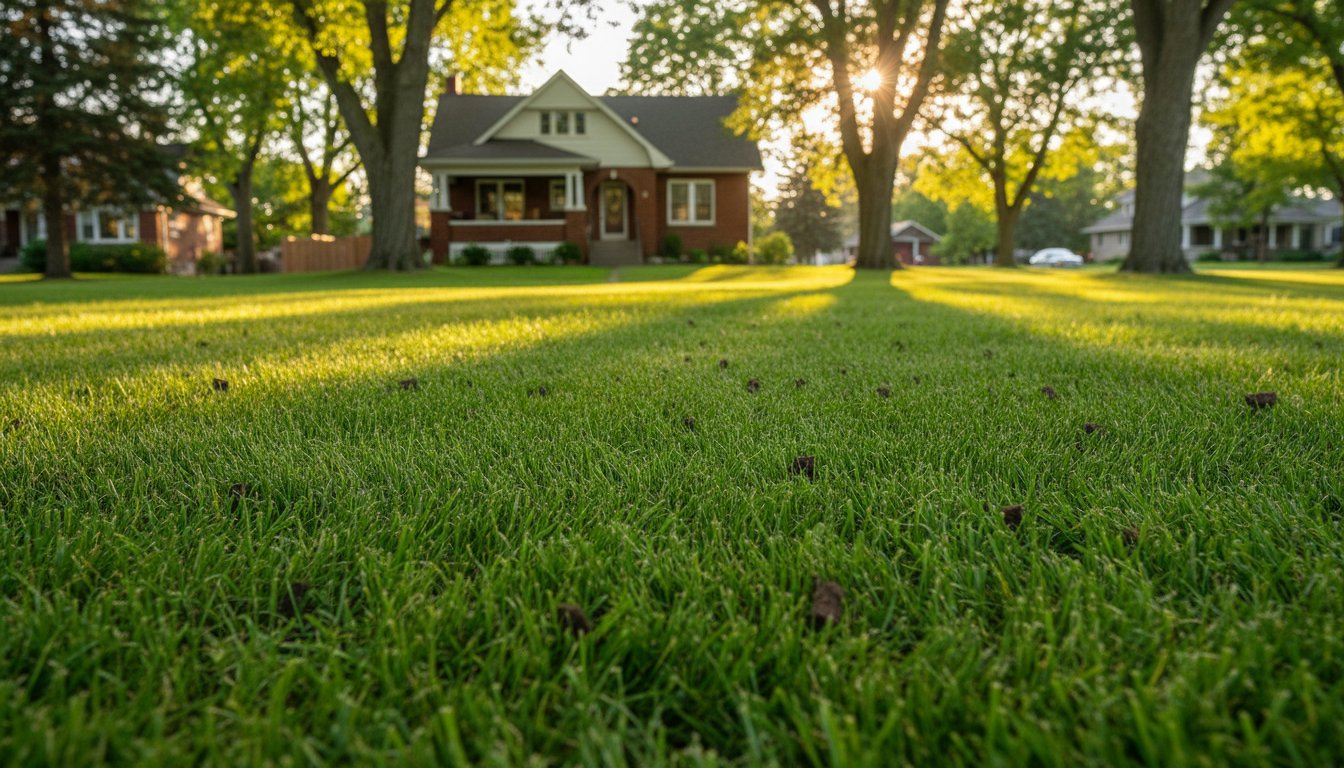
Did you know that nearly 70 percent of Winnipeg yards struggle with heavy clay soil that acts like a solid brick during our dry July heat? It's a common sight across Manitoba where grass turns brown while water simply pools on the surface after a heavy downpour. Professional lawn aeration is the definitive solution to these local challenges, ensuring your property stays resilient and vibrant even when the temperature climbs.
We understand that maintaining a beautiful property shouldn't feel like a constant battle against the elements. You've likely spent hundreds of dollars on premium fertilizers that never seem to reach the roots because a thick, suffocating thatch layer stands in the way. Maintenance Time is here to provide the expert care your grass needs to breathe again, relieving the stress of property ownership with reliable, localized results.
This 2026 guide provides everything you need to know about overcoming soil compaction and improving drainage for a hassle-free yard. We'll walk you through the best timing for service and how this one simple step reduces your need for expensive chemicals while giving you the lush, green results you deserve.
Key Takeaways
- Understand how the Red River Valley’s heavy clay soil and winter snow loads create unique compaction challenges for your yard.
- Learn why core aeration is the professional industry standard for effectively delivering air, water, and nutrients to the root zone.
- Identify the two specific seasonal windows in Winnipeg when your grass is in its peak growing phase for maximum recovery.
- Discover the time-saving benefits of professional lawn aeration compared to the hassle of operating heavy DIY rental machinery.
- See how local expertise and professional-grade equipment provide a tailored solution for a lush, resilient, and hassle-free property.
What is Lawn Aeration and Why Does Your Winnipeg Yard Need It?
Maintaining a vibrant yard in Manitoba presents unique challenges. Between our freezing winters and the heavy clay often found in local soil, your grass takes a beating every season. Lawn aeration is the professional process of creating small holes in the soil to allow air, water, and nutrients to reach the roots directly. It's the most effective way to ensure your turf stays healthy and resilient. We consider this service a cornerstone of professional lawn care in Winnipeg. A well-aerated yard doesn't just look better; it requires less daily maintenance and survives summer heat waves more effectively. You get the peace of mind that comes with a beautiful property without the stress of constant troubleshooting.
To understand the mechanics of the process, you might ask, what is a lawn aerator? It's a specialized machine designed to penetrate the surface and pull out "cores" of dirt. By removing these plugs, we create a direct path for life-sustaining elements to bypass the hard surface. This simple, mechanical step transforms a struggling yard into a lush, green space that's the envy of the block. It's a proactive solution that saves you time and money on water and fertilizers in the long run.
Understanding Soil Compaction
Soil particles get pressed together over time by foot traffic, heavy snow loads, and even regular mowing. When soil is compacted, it literally suffocates the grass roots by cutting off their oxygen supply. You'll notice clear signs of compaction like thinning grass, moss growth in shady spots, or turf that feels like concrete underfoot. In many Winnipeg yards, the ground becomes so dense that 80 percent of water simply runs off the surface instead of reaching the root zone. Lawn aeration relieves this pressure immediately, allowing the root system to expand and thicken.
The Problem with Thatch
Thatch is the organic layer of living and dead stems, roots, and debris located between the green grass blades and the soil surface. While a tiny amount of thatch is natural, a layer exceeding 1.25 centimetres acts like a waterproof barrier. It prevents fertilizer and rain from doing their jobs. Aeration physically breaks up this layer by pulling the thatch apart. It also deposits soil cores on top of the thatch, which introduces beneficial microbes that help decompose the debris naturally. This process keeps your lawn responsive to treatments and prevents the "spongy" feeling of an unhealthy yard.
Core Aeration vs. Spike Aeration: Choosing the Best Method
Choosing the right mechanical method determines how well your grass recovers from a harsh Manitoba winter. Most professional services rely on core aeration or spike aeration to perform lawn aeration. While both create holes in the ground, they work in completely different ways. Core aeration remains the industry standard for professional results because it addresses the root cause of poor grass growth. Liquid aeration is an emerging alternative for light maintenance, but it doesn't provide the same immediate relief for heavily compacted soil.
How Core Aeration Works
Core aeration involves a machine that pulls 2-3 inch plugs, or cores, directly out of the ground. This extraction method is superior because it physically removes soil to create permanent space. By pulling these plugs, we relieve the pressure within the soil profile. This guide on Core Aeration of Lawns explains that this process is vital for gas exchange and water infiltration. The plugs left on the surface might look untidy, but they shouldn't be raked away. They usually decompose within 10 to 14 days, filtering back into the turf to provide a boost of organic matter and nutrients.
The Limits of Spike Aeration
Spike aeration uses solid tines, like those found on aerator shoes or pitchforks, to poke holes without removing any material. This is a displacement method. Instead of creating space, the spikes push the soil aside. This action can actually increase compaction in the walls of the hole, making it harder for roots to expand. Spiking is sometimes appropriate for a very small, 50-square-foot patch with minimal traffic, but it's a temporary fix at best. For the heavy clay soil found throughout Winnipeg, spiking is rarely sufficient for lawn aeration that targets deep root health. The dense clay structure resists displacement, meaning the holes often collapse before the lawn sees any benefit.
Using the right equipment saves you time and prevents future drainage issues. Maintenance Time provides the professional equipment and expertise needed to handle these tasks correctly the first time. You can view our lawn care packages to see how we help local properties thrive.
The Winnipeg Factor: Clay Soil and Heavy Snow Loads
Winnipeg yards face a double threat: the infamous Red River clay and relentless winter pressure. Unlike the sandy soils found in other parts of the country, our local ground is composed of fine particles that pack together tightly. This naturally leads to severe compaction that chokes out grass roots. When you add the "Snow Load" effect, the problem intensifies. Winnipeg typically sees 100 to 125 days of snow cover each year. That weight exerts constant downward pressure on the earth. By the time March arrives, your soil is often as dense as concrete. Following a consistent property maintenance schedule is the only way to counteract this physical pressure and keep your lawn healthy.
Red River Clay: A Unique Challenge
The "tight" structure of clay acts like a seal. It prevents oxygen, water, and nutrients from reaching the root zone. You'll often see water pooling on the surface after a heavy rain because the ground simply can't absorb it. Professional lawn aeration is beneficial for high clay content soils because it physically removes plugs of earth to create immediate breathing room. This process transforms a rock-hard foundation into a porous sponge. When the soil is healthy and loose, your grass cutting services become more effective. Mowers achieve a cleaner cut on sturdy, upright turf rather than struggling with thin, yellowing blades that have been flattened by poor drainage.
- Reduced Runoff: Aeration allows heavy Winnipeg rainfalls to soak into the roots instead of running off into the street.
- Deeper Root Growth: Grass roots can finally penetrate the dense clay, making your lawn more drought-resistant.
- Thatch Management: Breaking up the clay surface helps beneficial microbes decompose thatch layers more quickly.
Post-Winter Recovery
Manitoba's freeze-thaw cycle adds another layer of stress to your property. As the ground freezes and expands, then thaws and contracts, the soil density shifts. By the time the melt finishes in April, your lawn is gasping for air. Spring lawn aeration acts as a vital reboot for your property. It breaks the surface crust formed by months of ice and snow. Aerated soil also warms up faster because the sun's heat can penetrate the open holes. This leads to an earlier spring green-up, often occurring 7 to 10 days sooner than non-aerated yards. It's the most efficient way to wake up your grass and ensure it has the strength to survive the hot summer months ahead.

When to Aerate Your Lawn in Winnipeg for Maximum Results
Timing is everything for a healthy yard. You need to hit the sweet spot when the grass is growing fast and can recover quickly. In Winnipeg, this means sticking to two specific windows. You should avoid the middle of July at all costs. The high heat and dry spells during a typical 30-degree Manitoba summer will stress your grass. Aerating then exposes the roots to heat and dries them out fast. Instead, plan your maintenance around the shoulder seasons. Knowing when to fertilize your lawn alongside these windows ensures your grass gets nutrients exactly when the soil opens up.
Aeration works best when the plant is in its peak growing phase. This allows the grass to fill in the open holes and take advantage of the increased airflow. If you miss these windows, you risk leaving your soil vulnerable to weeds and moisture loss. We recommend focusing on these two primary times to see the best return on your investment.
Spring Aeration: The Early Season Boost
Aim for late May to early June for your spring service. You must wait until the snow melt has fully drained and the soil is damp but not muddy. Poking holes in saturated ground can cause more compaction rather than fixing it. Spring lawn aeration gives your yard a head start. It relieves the pressure from months of heavy winter snow pack. This process allows oxygen to reach the roots as they wake up from dormancy. It is also the perfect time to overseed. The new seeds fall directly into the holes, creating better soil contact and a much thicker lawn by the time July arrives.
Fall Aeration: Preparing for Dormancy
The period from late August to mid-September is arguably the best time for lawn aeration in Winnipeg. The air is cooler, but the ground is still warm from the summer sun. This combination triggers intense root growth. By aerating now, you ensure the roots can dive deep into the soil before the first hard frost hits in October. It also prepares the ground to absorb fall fertilizers efficiently. This deep-root development is what helps your lawn survive the -30 degree winters and bounce back green in the spring. Combining this with a final seasonal cleanup ensures your property stays healthy through the long winter months.
Don't let your soil stay compacted another season. Schedule your professional aeration service with Maintenance Time and give your lawn the breath of fresh air it needs.
Professional Lawn Aeration: The Maintenance Time Advantage
Maintenance Time understands that your weekend is valuable. Spending hours at a rental shop or wrestling with a heavy machine isn't how most Winnipeg homeowners want to spend their Saturday. We bring the right tools and local expertise to every property, ensuring your lawn aeration is done correctly the first time. Our team lives and works in this city. We know exactly what your grass needs to thrive in our unique climate. We take care of the heavy lifting so you don't have to.
Our approach centers on reliability. You won't have to worry about whether the equipment will fit in your vehicle or if you'll finish before the rental shop closes at 5:00 PM. We arrive on schedule, execute the job with precision, and leave your property looking better than we found it. This commitment to efficiency is why so many residents in the 204 area code trust us with their seasonal maintenance year after year. We provide a specialized service that strikes the perfect balance between professional results and a friendly, community-oriented experience.
Why Pro Equipment Matters
Retail rental units often lack the weight necessary to penetrate the dense clay soil found in neighborhoods like River Heights or Sage Creek. Our commercial-grade core aerators weigh over 200 pounds. This weight allows them to pull consistent 3-inch plugs even in the most compacted ground. DIY attempts often result in shallow holes that fail to reach the root zone, making the effort largely ineffective. Inexperienced operators also face the risk of clipping hidden sprinkler heads or damaging underground utility lines. Maintenance Time handles the cleanup and logistics, ensuring every plug is pulled at the optimal depth for maximum oxygen and water absorption during your lawn aeration service.
A Comprehensive Approach to Turf Health
Aeration works best when it's part of a synchronized care schedule. We often combine this service with our lawn mowing services to ensure your turf stays healthy throughout the entire 2026 growing season. By choosing a professional plan, you eliminate the guesswork of timing and technique. We provide a reliable, hassle-free experience that transforms your yard into a vibrant outdoor space. Our goal is to provide peace of mind while you enjoy the results of expert care.
We treat every yard like it's our own, focusing on the specific soil profile of your neighborhood to deliver the best possible outcome. This personalized attention ensures your property maintains its value and appearance without you ever having to lift a finger. Our team is ready to help you achieve the lush, green lawn you've always wanted.
Ready for a lush lawn? Contact Maintenance Time for a free estimate today!
Give Your Winnipeg Lawn the Edge in 2026
Winnipeg's heavy clay soil and intense winter snow loads create significant compaction that starves grass roots of vital oxygen. By prioritizing core lawn aeration, you break through that stubborn surface to let water and nutrients reach the root zone where they belong. Since 2018, Maintenance Time has helped local homeowners overcome these specific regional challenges with commercial-grade equipment that delivers deeper, more effective cores than standard rental units.
Our team handles the heavy lifting so you don't have to spend your limited weekends wrestling with bulky machinery. We provide hassle-free seasonal maintenance packages designed to keep your yard resilient against the Manitoba climate year-round. It's the most efficient way to ensure your property stays healthy and looks its best without the stress of DIY trial and error. Professional care means better results and more time for you to actually enjoy your outdoor space. Let's get your grass growing stronger and greener this season.
Get Your Free Winnipeg Lawn Aeration Quote
Frequently Asked Questions
Is lawn aeration really worth the money for my Winnipeg yard?
Yes, lawn aeration is a high-value investment for Winnipeg homeowners dealing with heavy clay soil. Research indicates that local soil often contains over 50% clay content, which compacts easily under foot traffic and heavy snow. Aeration breaks this compaction, allowing oxygen and water to reach the root zone. This process reduces your water bill and prevents expensive lawn replacements caused by root suffocation.
What should I do with the dirt plugs left on my lawn after aeration?
Leave the soil plugs on your lawn to decompose naturally. These plugs contain beneficial microorganisms and nutrients that return to the soil within 10 to 14 days. As they break down, they act as a natural top-dressing that improves soil structure without extra cost. Mowing over them once they are dry helps speed up the process and integrates the organic matter back into the turf.
How often should I have my lawn aerated in Manitoba?
Most Winnipeg lawns require professional lawn aeration once per year to maintain health. Properties with high foot traffic or exceptionally dense clay may benefit from two sessions annually. Scheduling this service consistently prevents the 20% to 30% reduction in grass density often seen in neglected yards. Regular maintenance ensures your grass remains resilient against the extreme temperature swings common in the Manitoba climate.
Can I aerate my own lawn with a rental machine?
You can rent a machine, but DIY aeration is physically demanding and often inefficient. Commercial aerators weigh upwards of 90 kilograms and require a truck for transport. Many homeowners find that rental fees and fuel costs nearly equal the price of a professional service. Maintenance Time handles the heavy lifting with professional-grade equipment, saving you 3 to 4 hours of intense manual labour.
Should I mow my grass before the aeration service arrives?
Yes, you should mow your grass to a height of approximately 5 centimetres before our team arrives. Shorter grass allows the aerator tines to penetrate the soil more deeply and consistently. It also makes it easier to see obstacles like sprinkler heads or hidden rocks. Marking your underground lines 24 hours in advance ensures a safe and effective service for your property.
What happens if I don't aerate my lawn for several years?
Neglecting aeration leads to severe soil compaction and a thick layer of thatch. When soil is too tight, water sits on the surface instead of reaching the roots, increasing the risk of fungal diseases. Over a 3 year period, you'll notice thinning grass and increased weed growth. Eventually, the lawn becomes unable to absorb fertilizers, wasting your money and effort on surface treatments.
Is it better to aerate in the spring or the fall in Winnipeg?
Both seasons work well, but fall is often the best choice for Winnipeg's climate. Aerating in September allows the lawn to recover before the first frost, which typically occurs around September 22nd. Spring aeration is also effective once the ground thaws in May. Choosing the fall allows you to combine the service with overseeding, giving new seeds a 60% better chance of germination in the open holes.
Does aeration help with quack grass or other weeds?
Aeration doesn't kill weeds directly, but it creates a thicker lawn that naturally outcompetes them. Healthy grass roots grow deeper in aerated soil, leaving less room for quack grass or dandelions to take hold. By improving turf density, you reduce the need for chemical herbicides. A well-maintained lawn acts as a natural barrier, preventing weed seeds from reaching the soil and germinating.


